


read time 3.5 minutes
Growing up, the kaleidoscope was one of my favorite toys.
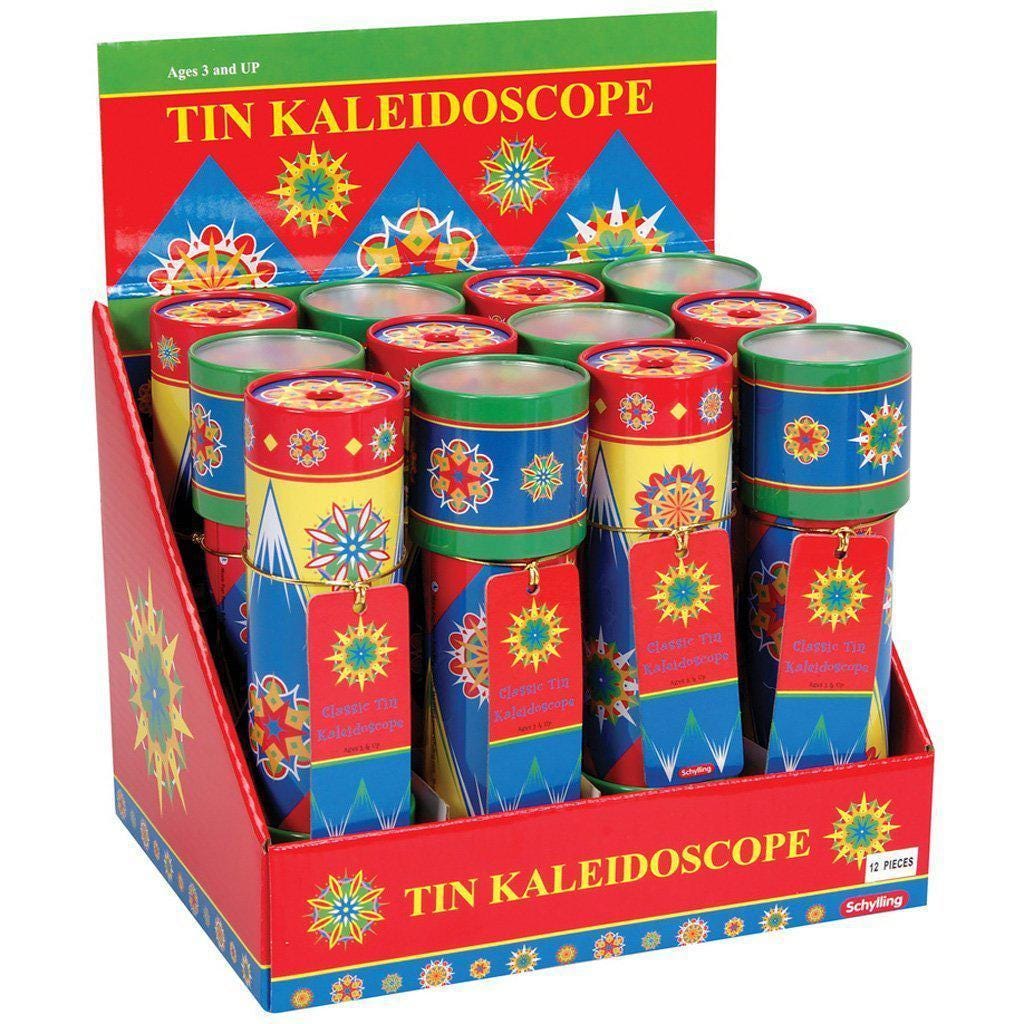
I’d point it at the most ordinary things - a wall, a table, my hand, my mom’s face - and suddenly I was looking at something else entirely. Crazy patterns and colors bouncing and folding into each other. The same thing I’d just been staring at, but transformed in ways that felt both chaotic and somehow universal.
What mesmerized me wasn’t that it transported me somewhere else. It wasn’t like playing a video game or watching a movie. I was exactly where I’d been, looking at exactly what I’d been looking at. I would just see it completely differently.
As a kid, I had no idea there were angled mirrors inside creating all those reflections. I just knew I could see pieces of the thing I was pointing at in a hundred different ways. Each view revealed something my ‘direct’ view had missed. I could sit with it for hours and discover endless patterns. That sense of wonder, knowing I could look at the same object and find endless patterns, has stayed with me.
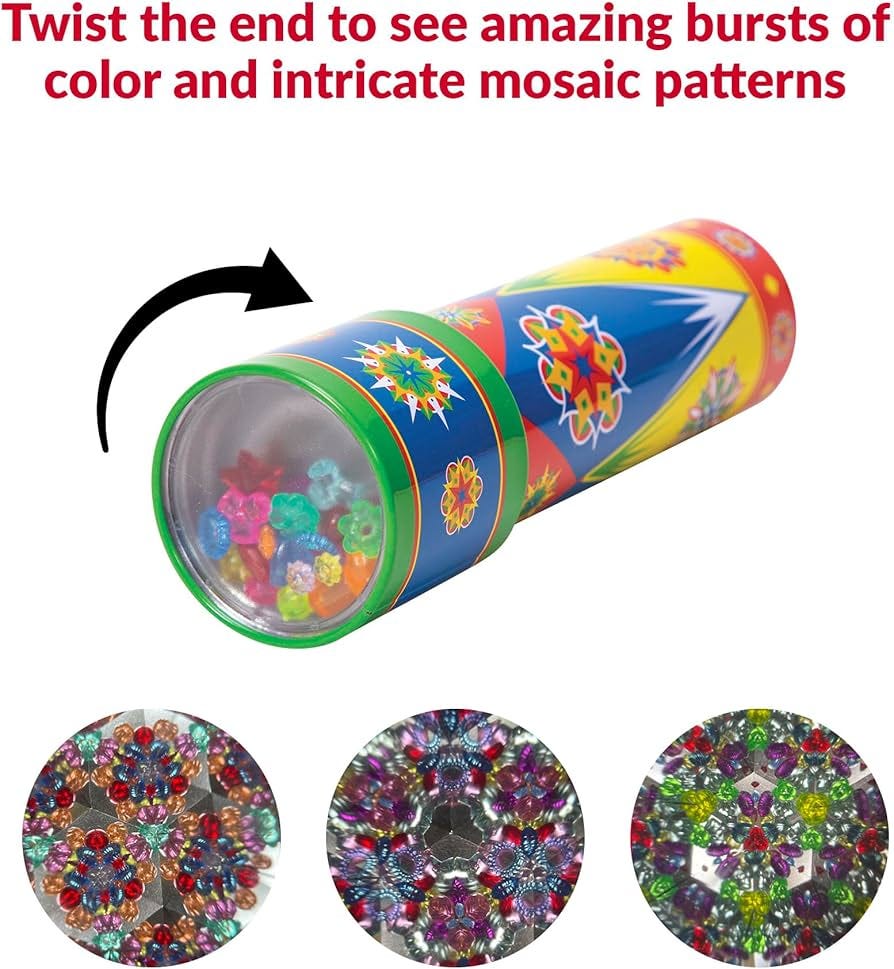
I’ve been thinking about this lately and call it Kaleidoscope Vision: one’s ability to rotate a problem and see it from angles others can’t conceive.
When I’m dealt a problem, the first thing I do - before running with a solution, before treating anything as settled - is put it under my kaleidoscope. I want to see all the different ways this thing can be solved, and can’t be solved. The patterns that emerge when you change the angle of view.
The kaleidoscope gives the kind of treatment no microscope ever could. A microscope shows you one thing in greater detail. The kaleidoscope shows you the same thing transformed by perspective.
I’ve noticed some people have this built in. They see the world - people, products, decisions, data - through multiple lenses at once. You hand them the same customer feedback, the same product spec, the same dataset as everyone else, and they see something different. This is not about smarts. It’s because their kaleidoscope has been shaped by the patterns they’ve learned across different disciplines, different experiences, and different things they genuinely care about.
Everyone’s kaleidoscope looks different. That’s what makes it useful.
When you’re building products, especially in a big company where everyone operates in their own silo, being able to see how things connect becomes a real big differentiator. Meanwhile, in a start-up, a single product decision doesn’t just impact the product. It ripples into sales, marketing, growth, the content you create, the subsequent decisions you’ll make, the tech stack you’ll need six months from now.
Being able to catch those ripples early - to see the living, breathing, interconnected system instead of isolated pieces - that’s kaleidoscope vision. And in my experience, the people who flourish are the ones who can hold multiple views at once and make calls others can’t see yet.
But I don’t think everyone on a great team needs to be a kaleidoscope thinker.
You also need people who go deep on one thing. Really deep. Once you’ve looked at a problem through the kaleidoscope and seen the patterns, you might want to zoom in. And when you do, you need someone already there who understands that domain better than anyone else could.
Not everyone’s job is to be the kaleidoscope. Not everyone’s job is to be the specialist. We gravitate toward what we’re strong at, what we enjoy, and what the work demands of us. The best teams have both kinds of people, and they know when to deploy which kind of seeing.
But if I’m being honest about what I think matters most for someone trying to build something that lasts - whether that’s a product, a company, or just a clearer way of thinking - the kaleidoscope vision is where real perspective lives.
Because the problems worth solving aren’t hiding in the details of one domain. They’re in how five domains intersect in ways no one else is tracking, and you can’t see that if you’re only looking straight ahead.
You need to rotate the view. See the patterns. Watch how the same thing transforms when the light hits it differently.
That’s what the kaleidoscope taught me when I was eight years old, pointing it at my mom’s face and watching her become a constellation. Today, it’s still one of my favorite ways to see.
— Akash